
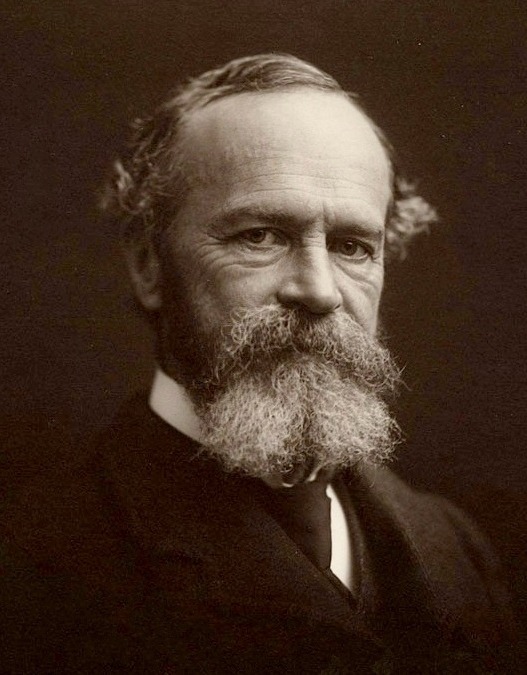
William James, born on January 11, 1842, in New York City, is one of the most prominent figures in the history of psychology and philosophy. As a pioneering psychologist and philosopher, James’s work laid the foundation for many modern psychological practices and philosophical discussions. His contributions to the fields of functional psychology and pragmatism have made him a central figure in American intellectual history. In this comprehensive exploration of his life, we will delve into his age, rise to fame, and the significant milestones that shaped his extraordinary career.
Early Life and Intellectual Influences
William James was born into a family deeply rooted in intellectual and cultural pursuits. His father, Henry James Sr., was a theologian and philosopher with a keen interest in Swedenborgianism and transcendentalism, while his mother, Mary Walsh James, came from a wealthy and socially prominent family. The James family was known for its intellectual vibrancy, and the household was frequented by notable thinkers of the time, including Ralph Waldo Emerson, who was a close friend of William’s father.
William was the eldest of five children, and his siblings included the famous novelist Henry James and the diarist Alice James. Growing up in such a stimulating environment, it was no surprise that William developed an early interest in philosophy and science. The family’s frequent travels between Europe and the United States exposed him to various cultural and intellectual traditions, further broadening his horizons.
Education and Early Career
William James’s educational journey was as eclectic as his intellectual pursuits. He initially enrolled in scientific studies, attending the Lawrence Scientific School at Harvard. He later pursued a medical degree at Harvard Medical School, earning his M.D. in 1869. However, despite his medical training, James was more drawn to philosophical and psychological questions than to the practice of medicine.
During his time at Harvard, James struggled with health issues and bouts of depression, which led him to take extended breaks from his studies. These experiences profoundly influenced his later work, particularly his explorations of human consciousness and the nature of the self. After completing his medical degree, James spent several years studying philosophy and psychology independently, laying the groundwork for his future contributions to these fields.
The Birth of American Psychology
In 1872, William James began his academic career at Harvard University, where he was appointed as an instructor in physiology. His interest in psychology soon led him to shift his focus, and by 1876, he was teaching courses in psychology and philosophy. James’s interdisciplinary approach to these subjects was groundbreaking, and he is often credited with establishing psychology as a scientific discipline in the United States.
One of James’s most significant contributions to psychology was the establishment of one of the first experimental psychology laboratories in the United States at Harvard. This laboratory became a center for psychological research and training, attracting students who would go on to become influential psychologists in their own right.
James’s approach to psychology was rooted in the philosophy of pragmatism, which emphasizes the practical consequences of ideas and theories. He believed that psychological concepts should be evaluated based on their usefulness and applicability to real-world problems. This pragmatic approach would later influence the development of functionalism, a school of psychology that focuses on the purpose and function of mental processes.
Publication of “Principles of Psychology”
In 1890, William James published his magnum opus, “The Principles of Psychology.” This two-volume work is considered one of the most important texts in the history of psychology. In it, James laid out his ideas on a wide range of topics, including consciousness, emotion, habit, and the self. His exploration of these subjects was both deep and wide-ranging, drawing on insights from philosophy, biology, and physiology.
“The Principles of Psychology” introduced several key concepts that have since become foundational in psychology. One of the most famous is the idea of “stream of consciousness,” which describes the continuous flow of thoughts and feelings in the human mind. This concept would later influence both psychological theory and literary techniques, particularly in the works of modernist writers like James Joyce and Virginia Woolf.
Another important contribution from this work is the James-Lange theory of emotion, developed in collaboration with the Danish psychologist Carl Lange. This theory posits that emotions arise from physiological responses to external stimuli, rather than the other way around. For example, according to this theory, we do not cry because we are sad; rather, we feel sad because we cry. This idea challenged the conventional understanding of emotions at the time and has had a lasting impact on the study of affective processes.
Contributions to Philosophy: Pragmatism and Radical Empiricism
In addition to his work in psychology, William James made significant contributions to philosophy, particularly through his development of pragmatism and radical empiricism. Pragmatism, as articulated by James, is a philosophical approach that assesses the truth of beliefs and ideas based on their practical effects and usefulness. This approach was a departure from traditional philosophical methods that emphasized abstract reasoning and theoretical consistency.
James’s pragmatism was deeply influenced by his belief in the fluid and dynamic nature of truth. He argued that truth is not a static entity but rather evolves over time as individuals and societies encounter new experiences and challenges. This view of truth as contingent and context-dependent has resonated with many thinkers and continues to be a significant influence in both philosophy and the social sciences.
Radical empiricism, another of James’s philosophical contributions, extends his pragmatism by emphasizing the importance of experience in understanding reality. James argued that all knowledge is rooted in experience, and that the relationships between experiences are just as real as the experiences themselves. This perspective challenged the dualistic thinking that had dominated Western philosophy, offering a more integrated and holistic view of reality.
“The Varieties of Religious Experience”
In 1902, William James published another seminal work, “The Varieties of Religious Experience.” This book, based on a series of lectures delivered at the University of Edinburgh, explores the psychological underpinnings of religious experiences. James was particularly interested in understanding how religious beliefs and experiences shaped individuals’ lives and their perceptions of the world.
“The Varieties of Religious Experience” is notable for its sympathetic and open-minded approach to the study of religion. James did not attempt to prove or disprove the existence of God; rather, he focused on the psychological and existential significance of religious experiences for those who had them. He argued that religious experiences could provide profound insights into the nature of reality and human existence, even if they could not be fully explained by scientific methods.
This work has had a lasting impact on both psychology and religious studies, influencing later thinkers like Carl Jung and contributing to the development of existential psychology. James’s emphasis on the subjective nature of religious experiences and his willingness to take them seriously as a source of knowledge set a new standard for the study of religion in the modern era.
Later Years and Legacy
William James retired from teaching in 1907, but his intellectual activity continued unabated. By this time, he was widely regarded as one of the most important philosophers and psychologists in the United States. His ideas had influenced a wide range of fields, from education and social reform to theology and psychotherapy.
In 1909, James had a significant encounter with Sigmund Freud, the founder of psychoanalysis, during a visit to the Clark University in Worcester, Massachusetts. Freud, accompanied by Carl Jung and other pioneers of psychoanalysis, was visiting the United States for the first time. James, although nearing the end of his life, expressed great admiration for Freud’s work, famously stating, “The future of psychology is in your work.” This meeting between two of the most influential figures in the history of psychology symbolized the passing of the torch from one generation of psychological thought to the next.
William James passed away on August 26, 1910, in Chocorua, New Hampshire. His death marked the end of an era, but his influence on psychology and philosophy has only grown in the years since. James’s writings continue to be studied and revered for their depth, clarity, and insight. His contributions to the understanding of human consciousness, emotion, and belief systems have made him a towering figure in the history of intellectual thought.
Conclusion
William James was a pioneering figure whose work in psychology and philosophy has left an enduring legacy. His commitment to understanding the human mind and his innovative ideas have shaped the course of modern psychology and philosophy. From his groundbreaking theories of consciousness and emotion to his development of pragmatism and radical empiricism, James’s contributions have had a profound impact on how we understand ourselves and the world around us.
As we reflect on James’s life and work, it is clear that his intellectual curiosity and willingness to challenge conventional thinking have made him one of the most important figures in American intellectual history. His ideas continue to resonate with scholars, practitioners, and thinkers across disciplines, ensuring that his legacy will endure for generations to come.


