
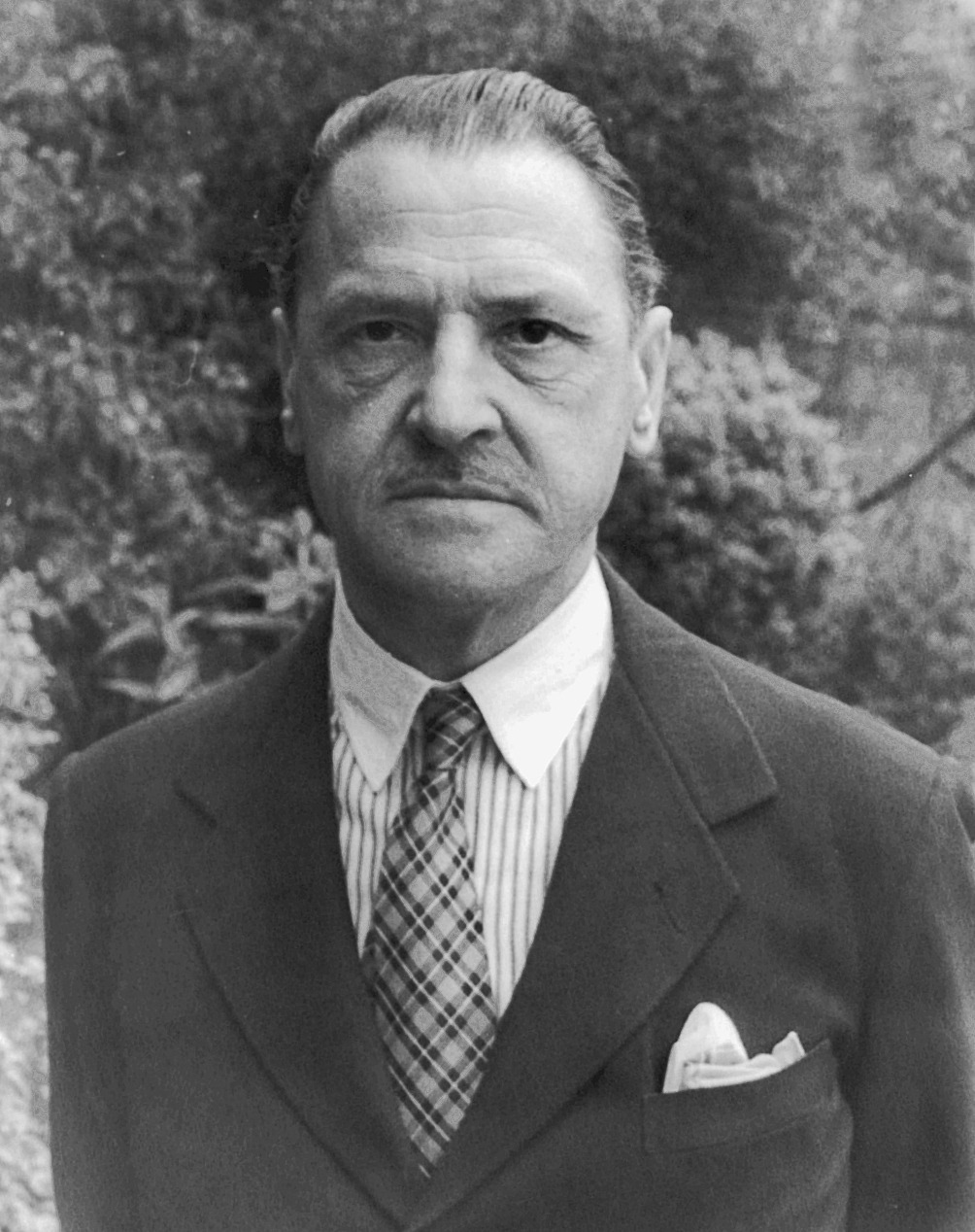
William Somerset Maugham, born on January 25, 1874, in Paris, is renowned for his profound contributions to literature as a novelist and playwright. Known for his sharp wit, ironic perspective, and exploration of human frailty, Maugham’s works continue to captivate readers and critics alike. This article delves into his life, career, and the enduring impact of his literary achievements.
Early Life and Education
William Somerset Maugham was born in Paris to British parents, with his father, a lawyer, and his mother, a concert pianist. The family returned to England when Maugham was just 10 years old, following the death of his father. Raised in the care of his uncle, Maugham attended the King’s School in Canterbury, a prestigious institution that set the foundation for his future academic and literary pursuits.
After completing his education at King’s School, Maugham pursued a career in medicine. He studied at the University of Heidelberg in Germany before completing his medical degree at St Thomas’ Hospital in London in 1897. Maugham’s decision to enter medicine was influenced by his desire to secure a stable career, but he harbored a deep-seated passion for writing.
Transition to Writing
Maugham’s transition from medicine to literature was marked by the success of his first novel, Liza of Lambeth (1897). The novel, a vivid portrayal of life in the working-class district of Lambeth, London, was well-received and encouraged Maugham to pursue writing full-time. This decision proved to be pivotal, as Maugham’s literary career began to take shape with a series of novels and plays that showcased his keen observational skills and narrative talent.
Despite early success, Maugham faced a period of financial instability in the early 1900s. Living in Paris, he experienced significant hardships, including poverty and professional struggles. This period of his life would later inform his writing, including his novel Soma, which captures the bohemian literary scene of the time.
Breakthrough and Literary Success
Maugham’s career took a significant turn in 1908 with the production of his play A Man of Honour by the Stage Society in London. The success of this play marked the beginning of Maugham’s prominence as a playwright. Over the next few years, he wrote several successful plays, including The Circle (1921) and East of Suez (1922), both of which enjoyed critical acclaim and commercial success.
The 1910s and 1920s were particularly fruitful for Maugham. His novel Of Human Bondage (1915) is often considered his masterpiece, a semi-autobiographical work that explores themes of personal struggle and human desire. The novel’s introspective nature and complex characters reflect Maugham’s understanding of human psychology and societal constraints. The Moon and Sixpence (1919) and The Painted Veil (1925) also garnered significant attention, further establishing Maugham’s reputation as a major literary figure.
Contributions During World War I
During World War I, Maugham served as an agent in the British Secret Service. His experiences during the war were documented in his novel Ashenden (1928), a collection of short stories that offer a glimpse into the world of espionage. The novel’s portrayal of the complexities of war and intelligence work is both engaging and insightful, reflecting Maugham’s own experiences and observations.
Travels and Influence
Maugham’s extensive travels to the Far East greatly influenced his writing. His visits to Asia provided him with rich material for his novels and stories. The exotic locales, cultural observations, and human interactions he encountered are vividly depicted in works such as The Casuarina Tree (1926) and The Narrow Corner (1932). These works reflect Maugham’s fascination with the East and his ability to weave diverse cultural elements into his narratives.
Maugham’s writing is characterized by its clear style, vivid dialogue, and psychological depth. His stories often explore themes of human frailty, existential angst, and the darker aspects of human nature. His ability to capture the nuances of human behavior and societal norms has earned him a place among the great writers of the 20th century.
Later Life and Legacy
Maugham’s later years were marked by continued literary success and personal reflection. His novel The Razor’s Edge (1944) reflects his philosophical and spiritual concerns, exploring themes of self-discovery and enlightenment. The novel’s protagonist, Larry Darrell, embarks on a quest for meaning, mirroring Maugham’s own contemplations about life and purpose.
In addition to his novels, Maugham wrote several autobiographical works, including The Summing Up (1938) and A Writer’s Notebook (1949). These works offer insights into his personal thoughts, creative processes, and reflections on his life and career.
Maugham retired from active writing in the 1950s and lived in relative seclusion in the French Riviera. He continued to be an influential figure in literature until his death on December 16, 1965, in Nice, France. His legacy endures through his extensive body of work, which continues to be studied, analyzed, and celebrated for its literary significance.
Conclusion
William Somerset Maugham’s life and career represent a remarkable journey from a medical student to a celebrated literary figure. His exploration of human nature, societal norms, and personal struggles through his novels and plays offers a profound understanding of the human condition. Maugham’s works remain relevant today, reflecting his sharp observational skills, narrative prowess, and deep psychological insights.
Maugham’s impact on literature is significant, and his ability to blend personal experience with universal themes has ensured his place in the literary canon. As readers continue to engage with his works, Maugham’s legacy endures, reflecting the complexities and nuances of human experience.


