
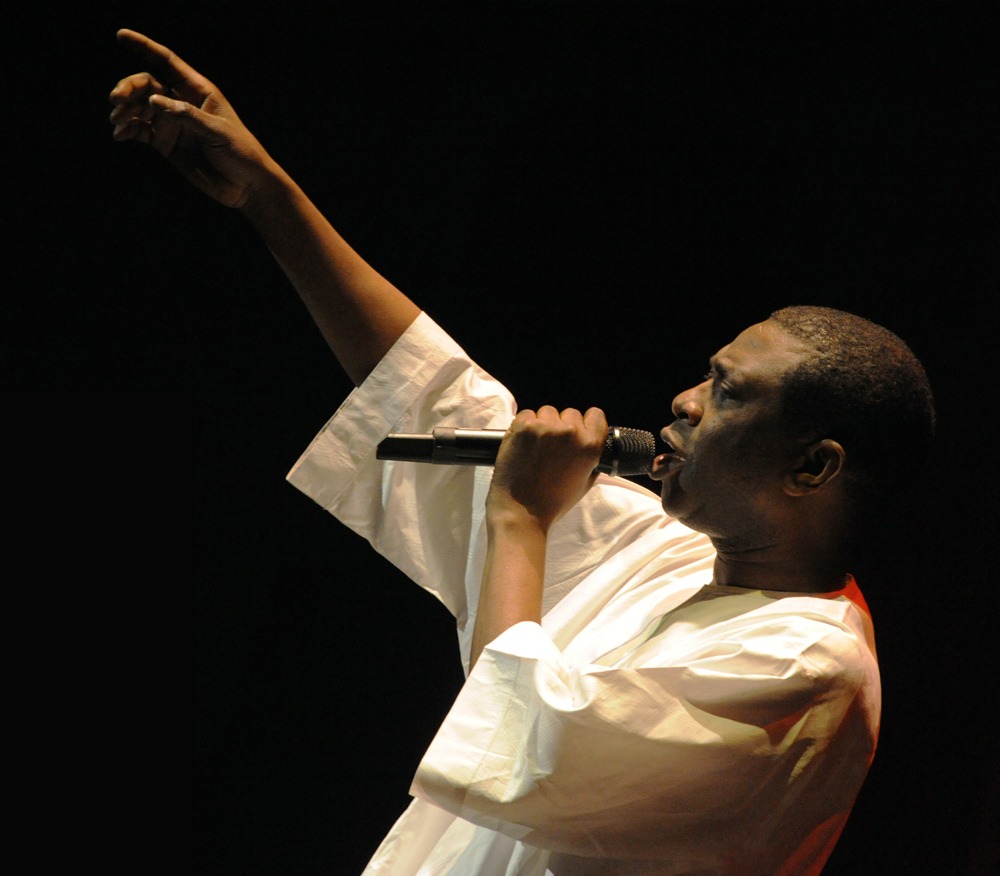
Youssou N’Dour is not just a name; he is an icon of African music, a global ambassador for Senegalese culture, and a pivotal figure in the world music scene. Born on October 1, 1959, in Dakar, Senegal, Youssou N’Dour has spent over six decades crafting a career that bridges traditional African music with modern sounds, making him a household name far beyond his native country. His contributions to music, culture, and philanthropy have earned him a reputation as one of Africa’s most influential artists.
Early Life and Musical Beginnings
Youssou N’Dour’s journey began in the vibrant streets of Dakar, where he was born to a mechanic father and a mother who was a griot, a traditional West African storyteller and praise singer. This cultural heritage deeply influenced N’Dour’s musical path, grounding him in the rich traditions of Senegalese music while also inspiring him to innovate.
From a young age, N’Dour exhibited a prodigious talent for music. He began performing publicly in both religious and secular settings, often entertaining crowds with impromptu concerts outside nightclubs in Dakar. His early exposure to performance and his innate musicality earned him the reputation of a child prodigy, attracting a growing following of fans and supporters.
The Birth of Mbalax: A New Sound
In 1975, Youssou N’Dour joined the Star Band of Ibra Kasse, marking the beginning of a significant chapter in his career. By the age of 21, he had co-founded the band Étoile de Dakar with musician El Hadj Fave. This group became the crucible for a new genre of music known as “mbalax.” Mbalax, a unique fusion of traditional Senegalese percussion rhythms (griot) with Afro-Cuban arrangements, represented the evolution of Senegalese music, and N’Dour was at the forefront of this movement.
The band’s first hit, “Xaalis,” was a harbinger of N’Dour’s future success. By modernizing traditional sounds, N’Dour created a genre that resonated with audiences both in Senegal and beyond, laying the groundwork for his international career.
Rising to International Fame
The late 1970s and early 1980s saw Youssou N’Dour’s music gaining traction beyond Senegalese borders, thanks in part to the Senegalese diaspora. In 1981, after parting ways with El Hadj Fave, N’Dour founded his own group, Super Étoile de Dakar. This group solidified his status as a leading figure in Senegalese music, with hits like “Waalo Waalo,” “Ndakaaru,” and “Independence” establishing him as a global ambassador for mbalax.
N’Dour’s music, characterized by his powerful voice and charismatic stage presence, soon caught the attention of international audiences. His commitment to his roots, exemplified by his decision to continue living in Medina, the neighborhood in Dakar where he was born, only added to his appeal. Despite his fame, N’Dour maintained the image of a devout Muslim who neither drank nor smoked, endearing him to fans worldwide.
International Collaborations and Breakthroughs
In 1984, Youssou N’Dour embarked on his first European tour, performing in countries such as Germany, Sweden, Finland, Norway, and Switzerland. This tour marked the beginning of his international career, which would soon see him collaborating with some of the biggest names in music.
One of the most significant milestones in N’Dour’s career came in 1985 when he collaborated with British rock star Peter Gabriel. Gabriel invited N’Dour to perform on the track “In Your Eyes” from his album “So,” a collaboration that introduced N’Dour’s voice to a global audience. This partnership also led to the co-production of the song “Shaking the Tree,” further cementing N’Dour’s place in the world music scene.
The Lion Roars: First International Album
In 1989, Youssou N’Dour released his first international album, “The Lion” (Gaïnde in Wolof), under the Virgin label. This album marked a significant step in N’Dour’s career, as it introduced his music to a broader, non-African audience. “The Lion” was followed by a series of successful albums, including “Set” (1990), “Eyes Open” (1992), and “The Guide” (1994), which featured the hit single “7 Seconds,” a duet with Swedish singer Neneh Cherry. The song became a global hit, selling over 1.5 million copies and earning N’Dour widespread acclaim.
Global Success and Philanthropy
By the mid-1990s, Youssou N’Dour had firmly established himself as a global music icon. His 1994 album “Wommat” topped the charts in Europe, expanding his influence beyond Africa and solidifying his status as a world music superstar. The album included covers of two songs by Bob Dylan, “Chimes of Freedom” and “Undecided,” showcasing N’Dour’s versatility and his ability to reinterpret classic songs through the lens of his unique musical style.
Beyond his music career, N’Dour has been deeply involved in humanitarian efforts. He has served as a UNICEF Goodwill Ambassador, using his platform to advocate for various causes across Africa and the world. His commitment to social justice and human rights is evident in his participation in numerous benefit concerts and charitable initiatives. N’Dour’s annual “Great African Ball,” held in Paris and New York, is a celebration of African music and culture, bringing together artists from across the continent to perform and raise awareness for important causes.
Entrepreneurial Ventures and Later Career
In addition to his musical achievements, Youssou N’Dour has also ventured into entrepreneurship. He opened his own recording studio, Xippi, and founded his production company, Jololi, which has helped promote and produce music for various artists. These ventures have allowed N’Dour to maintain creative control over his work while supporting the development of other musicians in Senegal and beyond.
In 2004, N’Dour released the album “Egypt,” which was a departure from his usual style, focusing on religious themes and traditional music. The album was critically acclaimed and won a Grammy Award for Best Contemporary World Music Album. This project highlighted N’Dour’s ability to reinvent himself and explore new musical territories while staying true to his cultural roots.
N’Dour’s career continued to evolve in the years that followed. In 2006, he played the role of Olaudah Equiano, an Afro-British abolitionist, in the film “Amazing Grace,” which tells the story of William Wilberforce’s efforts to end the British Empire’s involvement in the transatlantic slave trade. This role underscored N’Dour’s commitment to social issues and his willingness to use his platform to educate and inspire others.
Legacy and Influence
Youssou N’Dour’s impact on music and culture is undeniable. He is not only a pioneer of mbalax but also a symbol of African pride and resilience. His music has transcended borders, bringing the sounds of Senegal to audiences around the world and inspiring countless artists in the process.
N’Dour’s influence extends beyond music. He has been a vocal advocate for democracy and human rights in Senegal, using his fame to promote positive change in his homeland. In 2012, N’Dour even ran for president of Senegal, a testament to his deep commitment to his country and its future. Although his candidacy was disqualified, he was later appointed Minister of Tourism and Culture, a role in which he continued to promote Senegalese culture on the global stage.
Conclusion
Youssou N’Dour’s life and career are a testament to the power of music to unite, inspire, and transform. From his humble beginnings in Dakar to his rise as an international superstar, N’Dour has remained true to his roots while continuously pushing the boundaries of his art. His contributions to music, culture, and philanthropy have left an indelible mark on the world, making him one of the most celebrated and respected artists of our time.
As Youssou N’Dour continues to create and inspire, his legacy as a musical innovator and cultural ambassador will undoubtedly endure, influencing future generations of musicians and fans alike. His story is one of passion, perseverance, and a deep love for his culture—a story that will continue to resonate for years to come.


