
Introduction
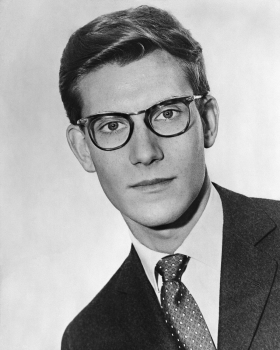
Yves Saint Laurent, a name synonymous with fashion and haute couture, is one of the most influential designers in the history of fashion. Born on August 1, 1936, in Oran, Algeria, Saint Laurent’s impact on the fashion world is profound and enduring. His designs revolutionized women’s fashion, introducing groundbreaking concepts that challenged traditional norms and redefined elegance. This article delves into the life of Yves Saint Laurent, exploring his early years, rise to fame, and the significant milestones that have shaped his legacy.
Early Life and Passion for Fashion
Yves Henri Donat Mathieu-Saint-Laurent was born into a wealthy family in Algeria, then a French colony. From a young age, Saint Laurent exhibited a strong passion for fashion and the arts. While other children were playing outside, Saint Laurent was busy designing intricate paper dolls and experimenting with fabric. His interest in fashion was more than a hobby; it was a calling that would eventually lead him to Paris, the epicenter of the fashion world.
At the age of 17, Saint Laurent moved to Paris to pursue his dream of becoming a fashion designer. He enrolled at the prestigious École de la Chambre Syndicale de la Couture Parisienne, where his talent quickly became apparent. His designs caught the attention of Michel de Brunhoff, the editor of French Vogue, who introduced him to Christian Dior. This meeting would prove to be a turning point in Saint Laurent’s life.
The Dior Years: A Star is Born
In 1955, at the age of 19, Yves Saint Laurent joined the House of Dior as a design assistant. Working under Christian Dior, one of the most celebrated designers of the time, Saint Laurent quickly rose through the ranks. His talent, coupled with his keen understanding of modern fashion, made him an invaluable asset to the Dior team.
In 1957, when Christian Dior suddenly passed away, the young Yves Saint Laurent was appointed as the head designer of the House of Dior. At just 21 years old, he was tasked with leading one of the most prestigious fashion houses in the world—a daunting responsibility for someone so young. However, Saint Laurent proved more than capable of handling the pressure.
His first collection for Dior, known as the “Trapeze” line, debuted in 1958 and was met with critical acclaim. The collection featured softer, more relaxed silhouettes, a departure from the structured and restrictive styles of the time. The success of the “Trapeze” line established Saint Laurent as a rising star in the fashion world, earning him the title of “enfant terrible” of French fashion.
Founding of Yves Saint Laurent: A Revolutionary Vision
In 1960, Saint Laurent’s career at Dior was abruptly interrupted when he was conscripted into the French army during the Algerian War of Independence. The experience was traumatic for Saint Laurent, who was hospitalized for a nervous breakdown and subsequently dismissed from Dior. This period marked a low point in his life, but it also set the stage for his greatest achievement.
After recovering from his ordeal, Saint Laurent returned to Paris and, with the support of his partner and business associate Pierre Bergé, founded his own fashion house in 1961. The Yves Saint Laurent (YSL) brand quickly became known for its innovative and daring designs that challenged conventional fashion norms.
One of Saint Laurent’s most significant contributions to fashion was his introduction of the tuxedo for women, known as “Le Smoking,” in 1966. This groundbreaking design redefined women’s fashion, challenging the traditional notions of femininity and empowering women to embrace a more androgynous style. The tuxedo became an iconic piece, symbolizing confidence, sophistication, and the blurring of gender boundaries in fashion.
Innovations and Influence: Shaping Modern Fashion
Throughout the 1960s and 1970s, Yves Saint Laurent continued to push the boundaries of fashion with his innovative designs. He was one of the first designers to popularize ready-to-wear fashion, launching his Rive Gauche line in 1966. This move democratized fashion, making high-quality, stylish clothing accessible to a broader audience.
Saint Laurent was also known for his ability to draw inspiration from art and culture, infusing his collections with references to various artistic movements and historical periods. In 1965, he created the iconic Mondrian collection, featuring dresses inspired by the works of Dutch painter Piet Mondrian. The collection was a bold departure from traditional fashion, using clean lines and blocks of color to create striking visual impact.
The designer’s fascination with different cultures also influenced his work. His 1976 Ballets Russes collection, inspired by the opulence of Russian folklore, was described by The New York Times as “revolutionary, destined to change the course of fashion.” Saint Laurent’s ability to merge art, history, and fashion set him apart from his contemporaries and solidified his status as a visionary designer.
The Dark Side of Success: Personal Struggles
Despite his immense success, Yves Saint Laurent’s life was not without its challenges. The pressures of the fashion industry, combined with his introverted and sensitive nature, took a toll on his mental health. Saint Laurent struggled with depression, anxiety, and substance abuse throughout his career, battles that were exacerbated by the demands of maintaining a successful fashion empire.
Saint Laurent was known for his reclusive lifestyle and his aversion to the spotlight. He often described himself as an “unhappy prince,” a reference to the inner turmoil that accompanied his outward success. His personal struggles were well-documented, and they added a layer of complexity to his public persona.
Despite these challenges, Saint Laurent continued to work tirelessly, producing one groundbreaking collection after another. His dedication to his craft and his relentless pursuit of perfection were key factors in his enduring success. However, the toll of his personal struggles eventually led him to step back from the fashion world.
Legacy and Impact on Fashion
In January 2002, Yves Saint Laurent announced his retirement from haute couture in a moving press conference. He declared that the art of haute couture, as he had known it, was no longer viable in a world dominated by fast fashion and mass production. Saint Laurent’s departure marked the end of an era, but his influence on fashion remained strong.
The legacy of Yves Saint Laurent is evident in the continued relevance of his designs. The tuxedo for women, the Mondrian dress, and the safari jacket are just a few examples of the pieces that have become timeless classics. His contributions to fashion have been celebrated in numerous exhibitions and retrospectives, and his influence can be seen in the work of countless designers who have followed in his footsteps.
Saint Laurent’s ability to merge art, culture, and fashion has left an indelible mark on the industry. He was a pioneer who challenged traditional notions of gender, femininity, and style, paving the way for future generations of designers to explore new ideas and push the boundaries of fashion.
Final Years and Passing
After retiring from the fashion industry, Yves Saint Laurent retreated from public life, spending his remaining years in relative seclusion. He continued to collaborate with Pierre Bergé on various projects, including the establishment of the Fondation Pierre Bergé – Yves Saint Laurent, which was dedicated to preserving and promoting their shared legacy.
On June 1, 2008, Yves Saint Laurent passed away at the age of 71 after a long battle with illness. His death marked the end of a remarkable life and career, but his legacy lives on through his timeless designs and the enduring influence he has had on the world of fashion.
Conclusion
Yves Saint Laurent’s life and career are a testament to the power of creativity, vision, and determination. From his early days at Dior to the founding of his own fashion house, Saint Laurent revolutionized the fashion industry with his innovative designs and fearless approach to style. His contributions to fashion have left a lasting impact, and his name continues to be synonymous with elegance, sophistication, and timeless style.
As we look back on the life of Yves Saint Laurent, we are reminded of the transformative power of fashion and the enduring legacy of one of its greatest icons. His work continues to inspire and influence designers and fashion enthusiasts around the world, ensuring that his legacy will endure for generations to come.


