
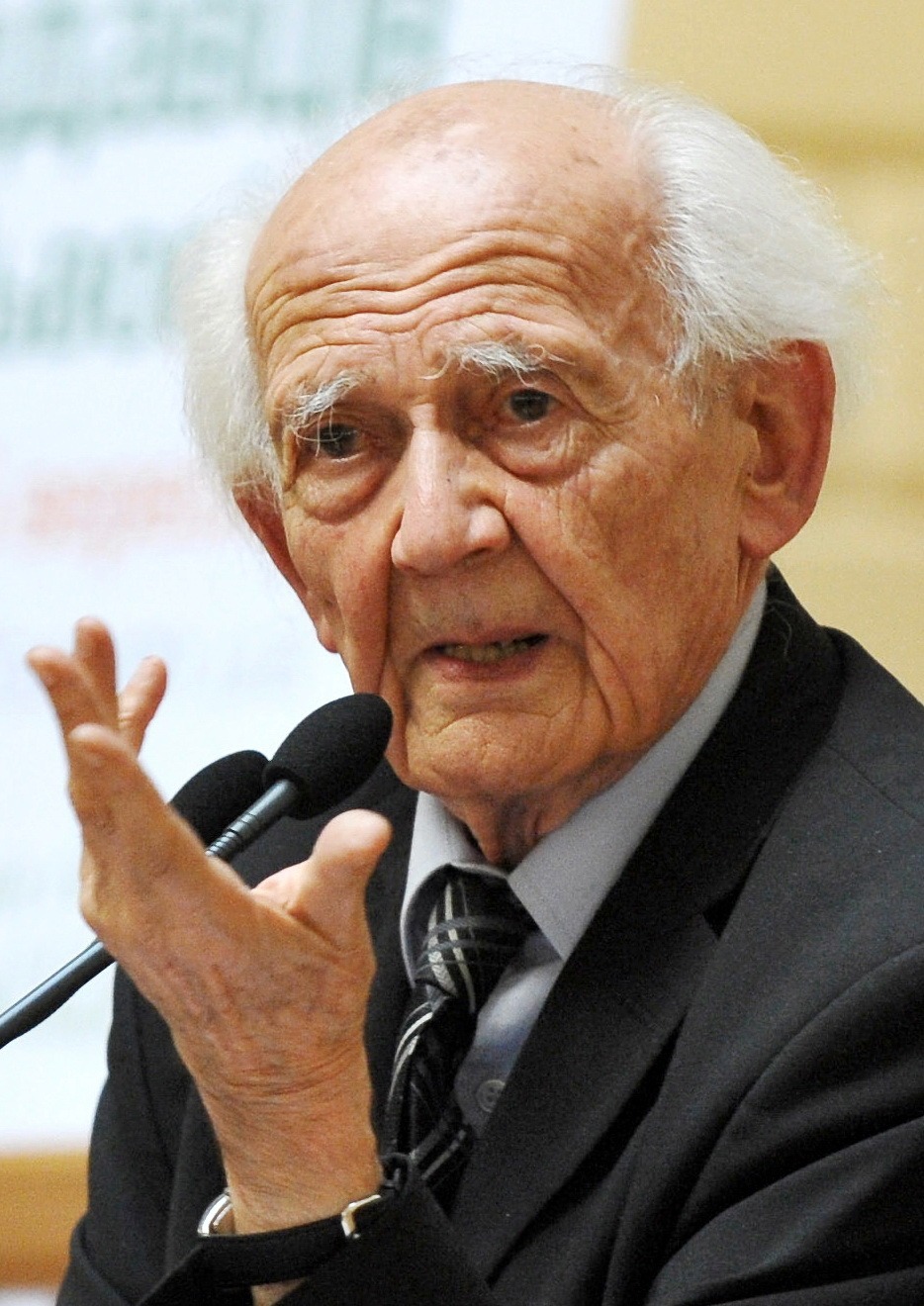
Zygmunt Bauman, born on November 19, 1925, in Poznań, Poland, is a towering figure in the field of sociology, renowned for his profound insights into modernity, postmodernity, and the human condition. Bauman’s life and work reflect a deep engagement with the complexities of social life, the challenges of modernity, and the ethical implications of our evolving world. This article explores Bauman’s age, his rise to fame, and the significant highlights of his life, providing detailed insights and explanations while considering the nuances and historical context that shaped his thought.
Early Life and Education
Zygmunt Bauman was born into a non-practicing Jewish family. His early life was marked by the turbulent events of the Second World War. Following the German invasion of Poland in 1939, Bauman and his family fled to the Soviet-occupied zone. At just 19 years old, he served in a Soviet military unit, an experience that would shape his future intellectual pursuits.
After the war, Bauman returned to Poland and began studying sociology at the University of Warsaw, where he was influenced by prominent sociologists such as Stanislaw Ossowski and Julian Hochfeld. During a stint at the London School of Economics, he prepared his major dissertation on British socialism, which was published in 1959. This work marked the beginning of Bauman’s extensive academic career.
Academic Career and Early Works
Bauman’s early academic work was closely aligned with official Marxist doctrine. He published articles in various specialized journals, including “Socjologia na co dzień” (Sociology for Everyday Life) in 1964. His early intellectual influences included Karl Marx, Antonio Gramsci, and Georg Simmel, whose ideas he integrated into his analyses of social stratification and worker movements.
In 1968, an anti-Semitic purge in Poland forced many Jewish intellectuals, including Bauman, to emigrate. This purge was part of a broader campaign by the communist government to consolidate power by targeting perceived internal enemies. Bauman resigned from his position at the University of Warsaw and moved to Israel, where he taught at Tel Aviv University. Shortly thereafter, he accepted a position at the University of Leeds in England, where he would spend the remainder of his academic career, eventually becoming the head of the Sociology Department.
Major Contributions to Sociology
Bauman’s work initially focused on social stratification and labor movements, but over time, he expanded his research to broader themes, including the nature of modernity. His career entered a particularly prolific phase after his retirement from Leeds in 1990. One of his most influential works, “Modernity and the Holocaust” (1989), explores the connections between modernity’s rationalization processes and the horrors of the Holocaust. This book argued that the Holocaust was not an aberration but a product of modernity’s inherent logic of bureaucratic efficiency and rationalization.
Bauman’s later works shifted focus towards the transition from modernity to postmodernity, a theme central to his analysis of contemporary society. His concept of “liquid modernity,” introduced in his 2000 book of the same name, describes a world characterized by constant change, uncertainty, and the dissolution of long-standing social structures. In liquid modernity, traditional forms of social organization, such as the family and the nation-state, are replaced by more fluid, transient arrangements.
Critique of Consumerism and Globalization
Bauman was a vocal critic of the commodification of life and the homogenization brought about by globalization. His book “Globalization: The Human Consequences” (1998) examines the impact of global economic and cultural integration on individual lives, highlighting the creation of “wasted lives”—those marginalized and rendered superfluous by global capitalism.
In “Consuming Life” (2007), Bauman explores how consumer culture shapes identities and social relations. He argues that in a consumer society, individuals are primarily seen as consumers rather than citizens, with consumption becoming the primary means of social engagement and identity formation. This shift has profound implications for social cohesion and the way individuals relate to one another.
Bauman’s critique extends to the ethical dimensions of modern life. He contended that the relentless pursuit of consumption and the emphasis on individual success erode collective values and social solidarity. His works “Liquid Love” (2003) and “Liquid Fear” (2006) explore the effects of liquid modernity on personal relationships and the pervasive sense of insecurity in contemporary life.
Later Life and Legacy
Bauman continued to write and lecture well into his later years, producing a steady stream of books and articles that addressed contemporary social issues. His ability to adapt his analyses to the evolving social landscape ensured his relevance across multiple generations of scholars and students.
Bauman’s death on January 9, 2017, in Leeds, England, marked the end of a remarkable intellectual journey. He left behind a rich legacy of scholarship that continues to influence sociological thought and public discourse.
Key Publications and Ideas
Bauman’s extensive body of work includes numerous influential books and articles. Some of his key publications in recent years include:
- “Paura liquida” (2008): Examines the pervasive sense of fear and anxiety in liquid modernity.
- “Consumo, dunque sono” (2008): Discusses the role of consumption in shaping modern identities.
- “Vite di corsa: Come salvarsi dalla tirannia dell’effimero” (2009): Addresses the pressures of living in a fast-paced, transient society.
- “Capitalismo parassitario” (2009): Critiques the parasitic nature of contemporary capitalism.
- “Modernità e globalizzazione” (2009): Analyzes the interplay between modernity and globalization.
- “L’arte della vita” (2009): Explores the possibilities of living a meaningful life in a consumer-driven world.
- “Vite che non possiamo permetterci” (2011): Conversations on the ethical and social implications of economic inequality.
- “Conversazioni sull’educazione” (2012): Reflects on the role of education in contemporary society.
- “Communitas: Uguali e diversi nella società liquida” (2013): Discusses community and diversity in a fluid social world.
- “Le sorgenti del male” (2013): Investigates the roots of evil in modern societies.
- “Il demone della paura” (2014): Analyzes the cultural and social dimensions of fear.
- “Stato di crisi” (2015): Examines the crises facing modern societies.
- “Per tutti i gusti: La cultura nell’età dei consumi” (2016): Discusses cultural production and consumption in contemporary life.
Historical Context and Influence
Bauman’s work must be understood within the broader context of 20th and 21st-century sociological thought. His analyses were deeply rooted in the historical developments of his time, including the rise and fall of communism, the Holocaust, the expansion of global capitalism, and the transition to postmodernity.
Bauman’s intellectual journey reflects his commitment to understanding the human condition in all its complexity. His work on modernity and postmodernity provides a critical framework for analyzing the rapid social changes that define our era. His insights into the nature of consumer society, the impact of globalization, and the ethical challenges of contemporary life remain relevant and influential.
Conclusion
Zygmunt Bauman’s life and work represent a profound engagement with the complexities of modern and postmodern society. From his early experiences in war-torn Europe to his influential academic career, Bauman’s intellectual journey is marked by a relentless pursuit of understanding and a deep commitment to social justice.
Bauman’s legacy is characterized by his ability to adapt his analyses to changing social realities, offering critical insights into the nature of contemporary life. His work continues to inspire scholars and students, providing a rich framework for understanding the challenges and possibilities of living in a rapidly changing world.
Bauman’s contributions to sociology and social theory are invaluable, offering a nuanced and critical perspective on the forces that shape our lives. As we navigate the complexities of the 21st century, Bauman’s insights into modernity, postmodernity, and the human condition remain essential for understanding and addressing the social and ethical challenges of our time.


