
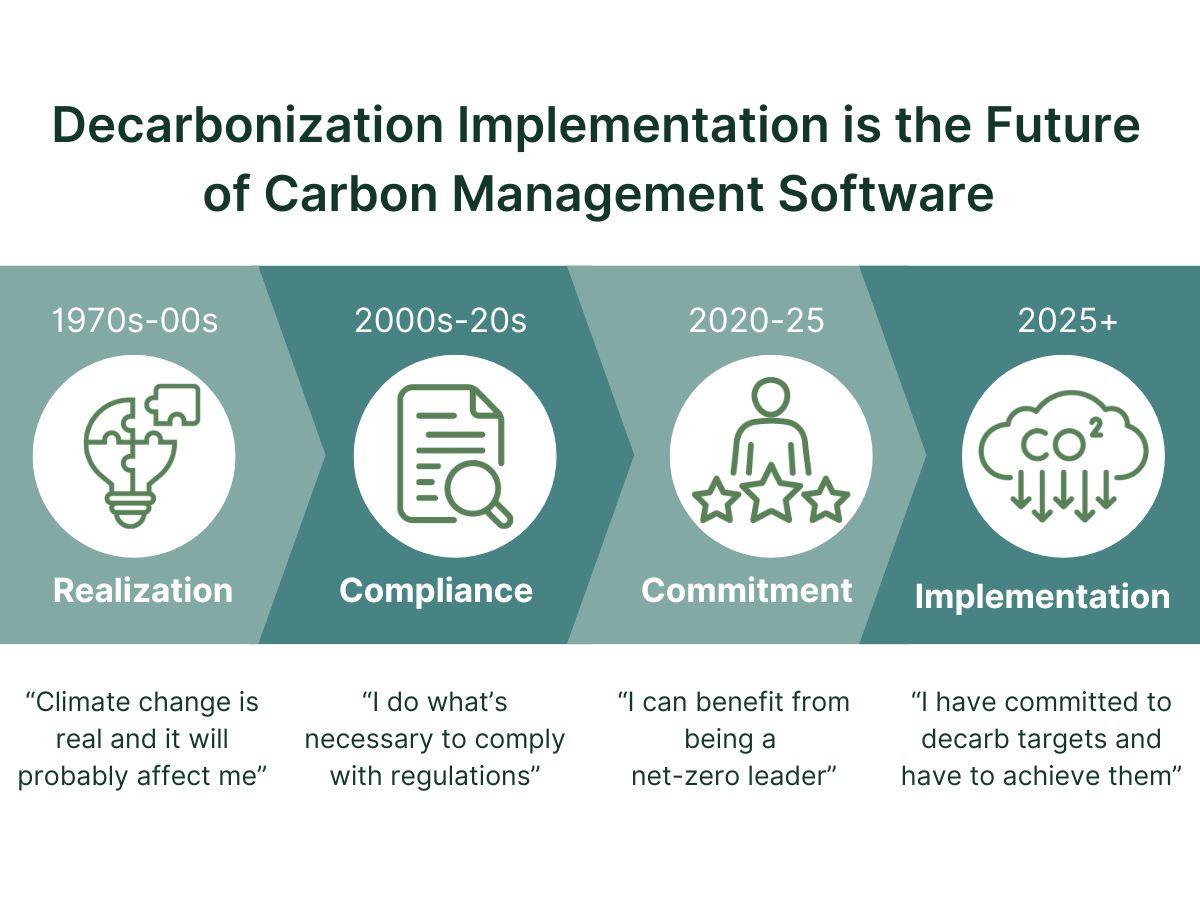
In an era where sustainability is more than just a buzzword, businesses worldwide are facing immense pressure to reduce their carbon footprints. Environmental awareness has surged, with both consumers and regulators demanding accountability from corporations. This is where carbon accounting software comes into play. But why is it so essential for companies today? In this article, we’ll delve into the intricacies of carbon accounting software, explaining its significance, benefits, and how it can transform your organization’s approach to sustainability.
Understanding Carbon Accounting
Before we dive into the myriad reasons for adopting carbon accounting software, let’s first clarify what carbon accounting actually is. At its core, carbon accounting is the process through which organizations measure, track, and report their greenhouse gas (GHG) emissions. This process can be influenced by various factors, including company size, industry type, and geographical location.
By meticulously quantifying emissions from various sources—like transportation, electricity use, and even the supply chain—companies can gain a clearer picture of their environmental impact. This data serves as the foundation for reducing emissions and improving overall sustainability efforts.
The Growing Importance of Sustainability
As we enter a new era of corporate responsibility, sustainability has become a cornerstone of operational strategy for modern companies. Here are a few reasons why sustainability matters:
-
Consumer Expectations: More and more consumers prefer brands that prioritize sustainability. According to recent studies, nearly 80% of consumers are willing to change their shopping habits to reduce their environmental impact. By showcasing a commitment to sustainability through carbon accounting, you can attract and retain environmentally conscious customers.
-
Regulatory Compliance: Governments worldwide are enforcing stricter regulations concerning emissions and environmental impact. From the European Union’s Carbon Border Adjustment Mechanism to various state-specific regulations in the United States, companies must be prepared to meet these requirements. Carbon accounting software can streamline compliance, helping organizations stay ahead of legislation.
-
Investor Pressure: Investors are increasingly factoring sustainability into their decision-making processes. Companies that can demonstrate robust carbon accounting practices are more likely to win long-term investments, as stakeholders are more inclined to support organizations with solid environmental practices.
-
Reputation Management: A company’s reputation can be significantly affected by how it handles environmental issues. Implementing carbon accounting not only displays responsibility but can also mitigate risks associated with negative publicity.
-
Competitive Advantage: As sustainability becomes integral to business operations, early adopters of carbon management strategies will likely achieve competitive advantages in their respective markets. By demonstrating sustainability leadership, companies can differentiate themselves from their competitors.
The Benefits of Carbon Accounting Software
Now that we understand the importance of sustainability, let’s explore why carbon accounting software is an indispensable tool for businesses looking to improve their environmental impact.
1. Accurate Data Collection and Reporting
One of the most significant advantages of carbon accounting software is its ability to harness accurate data collection. Many organizations struggle to maintain precise records of their emissions, often leading to underreporting or misinterpretation of data. Carbon accounting software automates the data collection process, pulling data from various sources such as energy bills, travel records, and procurement databases. This accuracy not only improves the credibility of reports but also serves as a reliable basis for emission reduction strategies.
2. Streamlined Reporting Processes
With robust reporting features, carbon accounting software simplifies the generation of sustainability reports. Many industries rely on these reports to communicate emissions data, sustainability efforts, and future goals to stakeholders, customers, and regulators. The software can automate reporting timelines, design reports that meet industry standards, and even keep track of emissions over multiple years, allowing for year-over-year comparisons.
3. Comprehensive Emissions Tracking
Carbon accounting software often utilizes standardized protocols, such as the Greenhouse Gas Protocol, to categorize emissions across scopes. Understanding Scope 1 (direct emissions), Scope 2 (indirect emissions from purchased energy), and Scope 3 (indirect emissions from the supply chain) is crucial for total emissions visibility. This comprehensive tracking allows companies to identify problem areas and prioritize initiatives for reduction.
4. Identification of Reduction Opportunities
By analyzing emissions data, businesses can determine where their environmental impact is most significant. This insight leads to actionable strategies for improvement. For example, if data indicates that transportation contributes significantly to emissions, a company may consider investing in electric vehicles or optimizing delivery routes.

- Overcome negative thought patterns, reduce stress, and live a worry-free life
- Overthinking is the biggest cause of unhappiness
- Don't get stuck in a never-ending thought loop
- Stay present and keep your mind off things that don't matter, and never will
- Break free of your self-imposed mental prison
5. Enhanced Collaboration Across Departments
Carbon accounting software serves as a centralized platform for tracking emissions, fostering collaboration among departments—be it finance, operations, supply chain, or marketing. With real-time data readily accessible, all team members can work together towards common sustainability goals. This collaborative approach not only enhances accountability but also drives company-wide engagement.
6. Goal Setting and Performance Tracking
Setting measurable sustainability goals is crucial for any organization committed to reducing its carbon footprint. Carbon accounting software allows businesses to set specific, measurable, achievable, relevant, and time-bound (SMART) goals related to emissions reductions. Additionally, it provides dashboards to track progress toward these goals in real time, enabling businesses to make adjustments as needed.
7. Integration with Other Business Systems
Modern carbon accounting software can integrate seamlessly with existing enterprise systems, such as Enterprise Resource Planning (ERP) and Customer Relationship Management (CRM) platforms. This interoperability enhances efficiency, allowing for a holistic view of operations and their environmental impact. Such integration paves the way for more strategic decision-making and can help speed up emissions reduction efforts.
8. Enhanced Stakeholder Engagement
Shareholders, clients, and employees are increasingly concerned about the sustainability practices of the organizations they are involved with. By utilizing carbon accounting software, companies can generate transparent reports and dashboards that engage stakeholders in their sustainability journey. This transparency fosters trust and can even bolster employee morale, as team members feel proud to work for a socially responsible organization.
9. Cost Savings
While there may be initial costs associated with implementing carbon accounting software, companies often uncover cost-saving opportunities through improved carbon management. These savings can come from reduced utility costs, optimized supply chains, and enhanced operational efficiencies. Additionally, demonstrating a commitment to sustainability may enhance a company’s reputation, leading to increased sales and customer loyalty over time.
Implementing Carbon Accounting Software: Best Practices
If you’re convinced about the importance of carbon accounting software, consider the following best practices to ensure a successful implementation:
Conduct a Carbon Footprint Assessment
Before diving into carbon accounting software, it’s essential to assess your current carbon footprint. This initial assessment will inform your software selection and help set realistic goals for emissions reductions.
Define Clear Objectives
Having clear sustainability objectives will shape how you implement carbon accounting software. Consider what you aim to achieve—whether it’s regulatory compliance, enhanced reporting capabilities, or ambitious emissions reduction goals.
Engage Stakeholders Early
Involving key stakeholders early in the process can increase buy-in and streamline the implementation process. Facilitating discussions and gathering input from various departments will foster a culture of sustainability throughout the organization.
Choose the Right Software
Not all carbon accounting software is created equal. Evaluate different options to find a platform that aligns with your specific needs, industry requirements, and company size. Look for scalability, user-friendliness, and robust reporting features.
Train Employees
Invest time in training employees to ensure they are comfortable using the software. This investment yields dividends in accuracy and efficiency, as employees will be better equipped to leverage the software’s capabilities.
Monitor and Adjust
The journey toward sustainability is ongoing. Regularly review your progress, revisit your goals, and make necessary adjustments based on emerging data or shifting industry standards.
Conclusion
As businesses navigate an increasingly eco-conscious landscape, carbon accounting software stands out as an essential tool for measuring, managing, and minimizing carbon emissions. Not only does it promote sustainability, but it also provides organizations with a strategic advantage in a crowded marketplace. In an age where consumers, investors, and regulators alike are prioritizing environmental responsibility, adopting carbon accounting software is not just a choice—it’s a necessity.
By implementing robust carbon accounting practices, your company can make informed decisions that benefit both the planet and your bottom line. In doing so, you will not only contribute to a more sustainable future but also position your organization as a leader in environmental stewardship. So ask yourself: is your company ready to embark on this vital journey? With carbon accounting software, the answer should be a resounding yes!


