
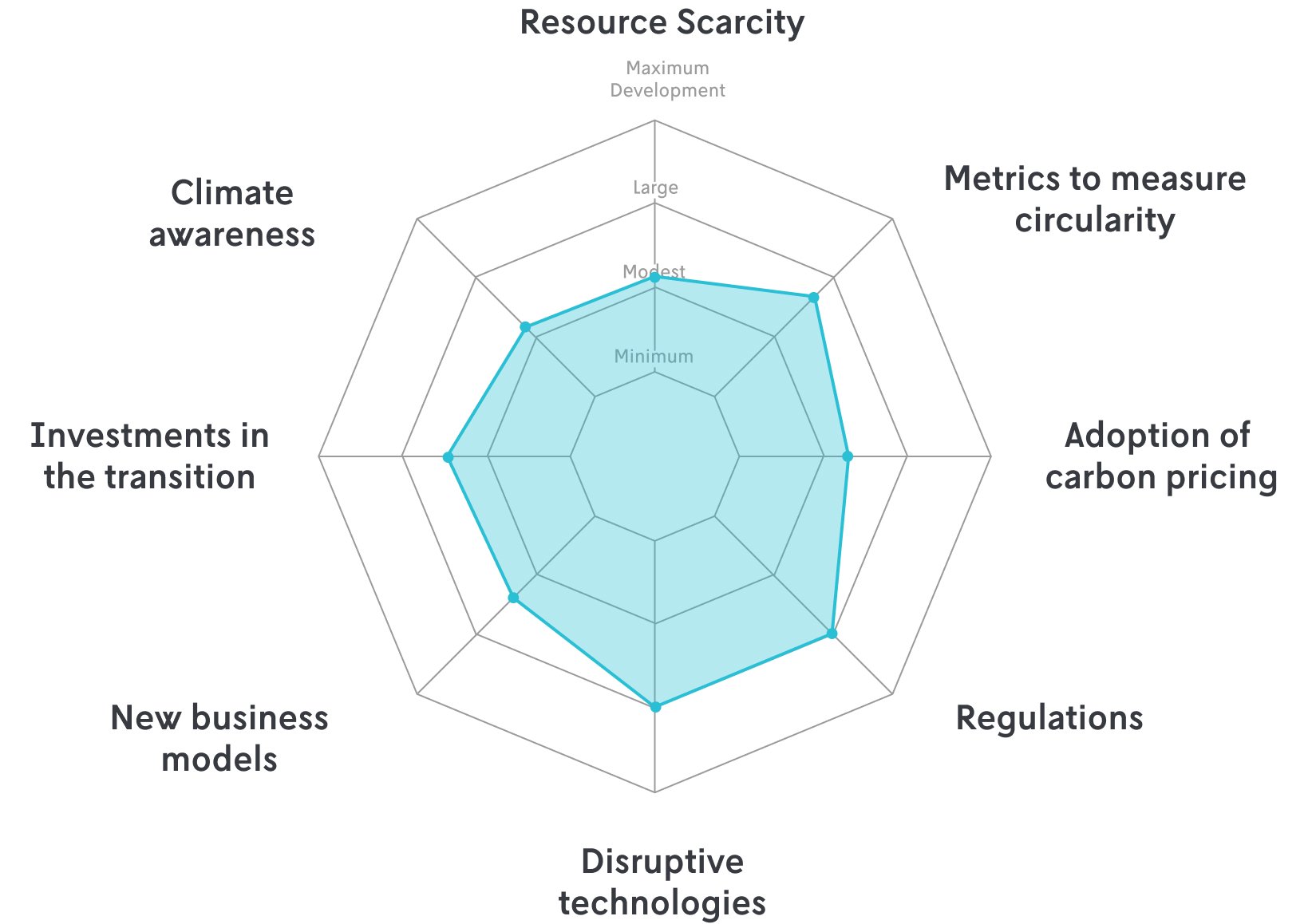
In recent years, the business world has witnessed a seismic shift in how companies operate and think about their impact on the planet. Among the most compelling concepts to emerge from this change is the idea of the circular economy. So, why is the circular economy touted as the future of business? This article explores the underpinning principles of the circular economy, its advantages, and how various sectors, including travel and tourism, can effectively embrace this forward-thinking model.
Understanding the Circular Economy
To grasp why the circular economy is an evolving force, let’s first understand the core concept at play. Unlike the traditional linear economy, which follows a ‘take-make-dispose’ model, the circular economy aims to redefine growth by prioritizing resource efficiency and sustainability. In essence, a circular economy involves designing products for longevity, enabling repair and reuse, and ensuring that materials are continually cycled back into the production process rather than ending up in landfills.
This concept isn’t just a feel-good initiative. It represents a practical shift in how we design, produce, and consume goods, putting emphasis on reducing waste, fostering resource regeneration, and promoting a sustainable lifestyle. This shift is increasingly essential as businesses recognize their role in tackling global issues like climate change and resource depletion.
The Business Case for Circular Economy
Profitability Through Sustainability
Businesses adopting the circular economy model often find themselves on the path to increased profitability. By minimizing waste and improving resource efficiency, companies can significantly reduce operational costs. According to a report by the Ellen MacArthur Foundation, the circular economy could generate €1.8 trillion in savings for businesses in the European Union alone by 2030. Furthermore, as consumers become more eco-conscious, businesses that embrace sustainability are likely to attract a dedicated customer base willing to pay a premium for responsibly sourced products.
Regulatory Compliance and Risk Management
As environmental regulations continue to tighten globally, adopting a circular economy can help businesses minimize the risk of compliance-related liabilities. By proactively addressing waste management, companies can avoid fines and stay ahead of regulation curves. This enhances the company’s reputation and fosters trust with stakeholders, suppliers, and customers alike.
How Circular Economy Benefits Various Sectors
- Fashion and Textiles
The fashion industry has long been criticized for its wastefulness and environmental impact. Circular fashion is emerging as a more sustainable alternative, focusing on designing clothing that can be easily recycled or repurposed. Brands like Patagonia and Eileen Fisher have embraced this model by offering repair services and taking back old garments to recycle them into new ones. By doing so, they attract eco-conscious consumers while reducing their environmental footprint.
- Automotive Industry
In the automotive sector, companies are rethinking manufacturing processes to create vehicles that can be easily repaired, upgraded, or recycled. For instance, manufacturers like BMW are investing in vehicle design that accommodates recycling, allowing for the reuse of valuable components. This not only reduces waste but also drives innovation and efficiency within production cycles.
- Food and Beverage
Restaurants and food producers are beginning to recognize the importance of a circular economy in combating food waste. By embracing practices such as composting, using every part of an ingredient, and partnering with local farmers to utilize excess produce, businesses in this sector can significantly reduce waste while contributing to the local economy. Companies, like Imperfect Foods, have built a business model around redistributing surplus food to consumers, all while promoting sustainable practices.
- Travel and Tourism
Travel and tourism can significantly benefit from a circular economy approach. Hotels implementing eco-friendly practices—like zero-waste systems, sourcing local food, and using renewable energy—are seizing the opportunity to attract environmentally-conscious tourists. Sustainable hotels, such as the Six Senses chain, focus on providing luxury experiences while minimizing environmental impacts through energy conservation and waste reduction.

- Overcome negative thought patterns, reduce stress, and live a worry-free life
- Overthinking is the biggest cause of unhappiness
- Don't get stuck in a never-ending thought loop
- Stay present and keep your mind off things that don't matter, and never will
- Break free of your self-imposed mental prison
The Role of Technology in the Circular Economy
Innovation plays an integral role in the transition to a circular economy. Advances in technology are enabling businesses to track resources with unprecedented precision. Smart materials, IoT devices, and blockchain can help companies monitor their supply chains, ensuring every component is utilized responsibly.
Moreover, digital platforms are making it easier for consumers and businesses to engage in sharing economies, such as Airbnb and Uber, that emphasize access over ownership. This shift in consumer behavior not only reduces demand for new products but also facilitates the repurposing or sharing of existing resources.
Making Circular Economy Work for Your Business
- Rethink Product Design
Start by re-evaluating the lifecycle of your products. Incorporate principles of durability and recyclability in your design process. Engaging in design thinking workshops can help identify innovative ways to enhance product longevity and functionality.
- Engage Customers
Educate your customers about the benefits of a circular economy. Share how you’re minimizing waste and the positive environmental impact of their purchasing decisions. Engaging your customers through outreach programs and sustainable initiatives can create a loyal consumer base committed to your mission.
- Collaborate with Stakeholders
Partnerships can provide your business with fresh ideas and pave the way for new innovations. Collaborate with suppliers, NGOs, and research institutions to explore sustainable practices that can improve efficiency throughout your supply chain.
- Measure and Adapt
Track your progress towards circularity. Set measurable sustainability goals and regularly review your progress. By analyzing what works and what must be improved, businesses can remain agile in an ever-evolving landscape, creating a culture of continuous improvement.
The Future Is Circular
As we dive deeper into this century, the circular economy is becoming increasingly vital for our planet’s wellbeing. Companies that adopt circular principles stand to gain both ecological and economic rewards—creating a sustainable future while reinvigorating their businesses.
In the travel realm, as more individuals seek responsibly curated experiences, embracing circular practices can set your brand apart in a crowded marketplace. Imagine providing travelers not only with unforgettable experiences but also with a smaller carbon footprint. The journey to a sustainable future is not just a possibility but an opportunity for smart businesses ready to embrace change.
Ultimately, the circular economy challenges businesses to think beyond profit margins and consider the social and environmental impacts of their decisions. As we take this journey into a sustainable future, the need for conscious economic decisions will only become more pressing, making a circular economy not just desirable but essential in crafting a resilient business landscape.
Conclusion
In conclusion, the circular economy is more than a fleeting trend; it represents a fundamental shift in how we conduct business. From fashion to travel, industries worldwide are awakening to the realization that sustainability isn’t just a corporate responsibility—it’s a strategy for success that resonates with consumers. As we confront environmental challenges head-on, integrating circular economy principles into business operations will not only foster innovation and growth but will also contribute to preserving our planet for future generations.
So, as you travel through this journey of sustainability in the business world, remember that adopting a circular approach is not merely an option; it’s the future of business. A future that is poised to reflect our collective values, one that prioritizes not just the bottom line but also the health of our planet.


