
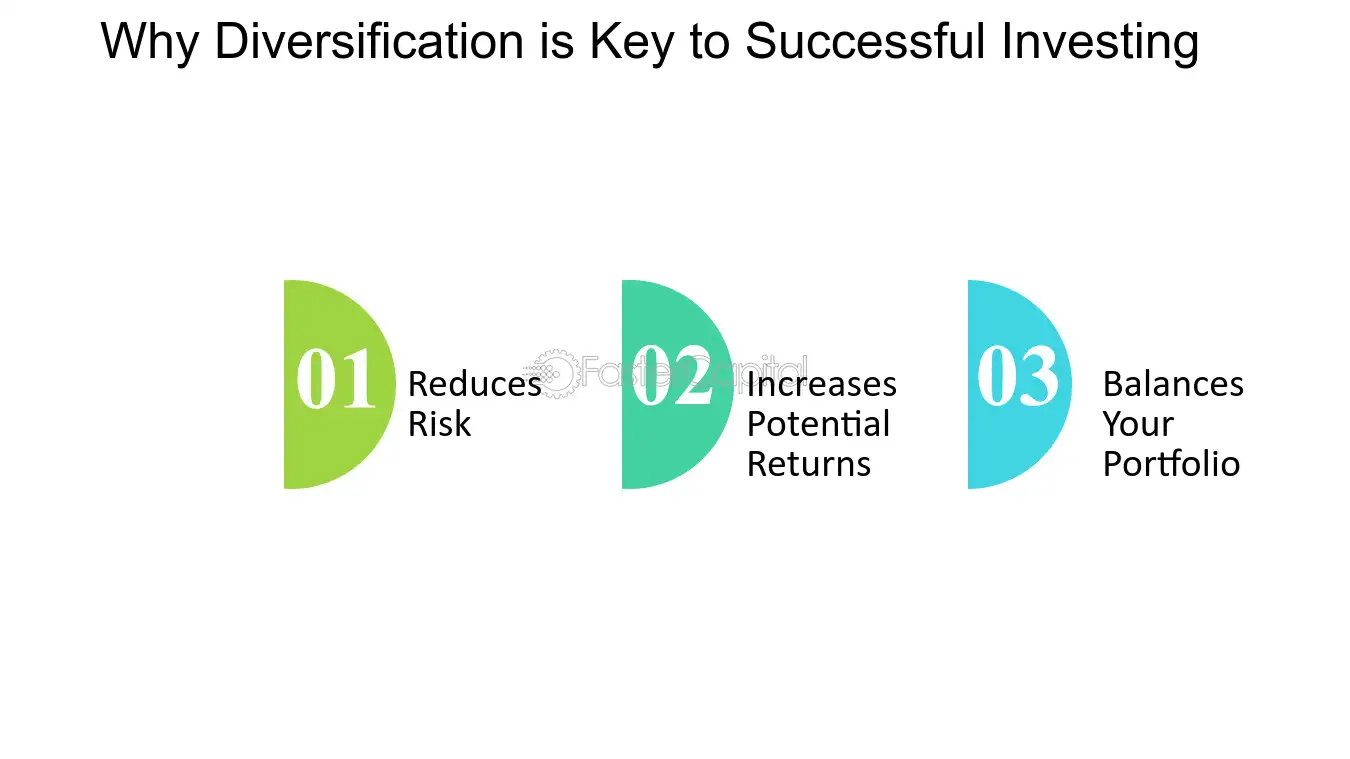
When it comes to investing, the age-old adage of not putting all your eggs in one basket rings true more than ever. Are you looking to secure your financial future or grow your portfolio? If so, understanding the significance of diversification in your investment strategy is essential. In this comprehensive guide, we will explore why diversification is paramount to achieving long-term financial success, the different asset classes, strategies to diversify, and common mistakes to avoid. So, let’s dive in!
Understanding Diversification
At its core, diversification is the practice of spreading your investments across various financial vehicles, industries, and asset classes to reduce overall risk. Instead of investing all your money into a single asset, diversification allows you to create a more resilient portfolio that can weather market turbulence. In the world of investment, the markets are unpredictable, but with a diversified approach, you can smooth out the emotional rollercoaster often tied to market fluctuations.
The Rationale Behind Diversification
The primary rationale for diversification lies in the principle that different asset classes behave differently under varying market conditions. When one investment is struggling, another might be thriving. This balance helps in mitigating the risk that comes with any single investment, which can be influenced by numerous factors, such as geopolitical events, economic downturns, and changes in consumer behavior.
The Benefits of Diversification
Now that we’ve established what diversification is and its fundamental principles, let’s explore the wide range of benefits it offers:
-
Risk Reduction: The most significant benefit is the reduction of risk in your investment portfolio. By having a variety of asset classes, sectors, and geographical areas, the negative impact of a poor-performing investment may be offset by the gains of others.
-
Greater Returns: A diversified portfolio is more likely to produce steady returns over the long haul. While you may not achieve the sky-high returns of a disciplined concentration strategy, the likelihood of consistent performance is higher.
-
Volatility Control: Different investments typically react differently to economic changes, which means that diversification can help mitigate the overall volatility of your portfolio. This is particularly important for risk-averse investors.
-
Access to New Opportunities: Diversifying your investment strategy opens the door to exploring new areas of growth. Whether it’s emerging markets or niche markets, a well-diversified portfolio can enhance your chances of capitalizing on various opportunities.
-
Peace of Mind: Knowing you’ve spread your risk across multiple assets lets you sleep better at night. This peace of mind can pay dividends over time, as it allows you to stick to your investment strategy without succumbing to panic during downturns.
Types of Diversification
Understanding the different types of diversification can help you make informed decisions about how to spread your investments wisely. Here are the primary categories:
-
Geographic Diversification: This involves investing in different regions or countries. By doing so, you avoid becoming too reliant on the performance of a single economy. When one economy declines, others may thrive.
-
Sector Diversification: Investing across various industries (e.g., technology, healthcare, finance) helps mitigate the risk of sector-specific downturns. A poor performance from one sector could be balanced out by gains in another.
-
Asset Class Diversification: This focuses on spreading investments among different types of assets, such as stocks, bonds, real estate, commodities, and cash. Each asset class has its own risk profile and can respond differently to economic fluctuations.
-
Time Diversification: This is the practice of staggering your investments over time, often referred to as dollar-cost averaging. By investing consistently, you can take advantage of market dips and reduce the impact of volatility.

- Overcome negative thought patterns, reduce stress, and live a worry-free life
- Overthinking is the biggest cause of unhappiness
- Don't get stuck in a never-ending thought loop
- Stay present and keep your mind off things that don't matter, and never will
- Break free of your self-imposed mental prison
Strategies for Effective Diversification
Having understood the benefits and different types of diversification, let’s explore some proven strategies for achieving effective diversification in your investment portfolio:
-
Start with a Diverse Base: Select a mix of mutual funds or exchange-traded funds (ETFs) that target different sectors and asset classes. These funds inherently offer built-in diversification for an easier entry point.
-
Utilize International Investments: Consider allocating a portion of your portfolio to international stocks or bonds. Doing so can expose you to growth opportunities in other economies and reduce dependence on the domestic market.
-
Focus on Different Market Capitalizations: Stocks can generally be categorized by market capitalization (large-cap, mid-cap, small-cap). Including a variety of cap sizes in your portfolio can help balance risk and foster growth.
-
Consider Alternative Assets: In addition to traditional stocks and bonds, consider adding alternative assets like real estate, commodities, or cryptocurrencies. While these can be more volatile, they also offer unique growth potential.
-
Periodic Rebalancing: Over time, certain investments may perform better than others, causing your portfolio to drift away from your original allocation. Periodically assess and rebalance your portfolio to align with your diversification strategy.
Common Diversification Mistakes to Avoid
While practicing diversification can significantly enhance your investment strategy, there are also pitfalls to be aware of. Here are some common mistakes that can undermine your efforts:
-
Over-Diversification: While diversification is generally beneficial, spreading your investments too thin can lead to diluting potential gains. Too many holdings might also make it challenging to track your investments effectively.
-
Neglecting Correlation: Not all diversifications are equal. It’s crucial to acknowledge the correlation between assets. Investing in assets that behave similarly may not reduce risk effectively.
-
Excessive Focus on Familiar Investments: Investing only in sectors or assets you’re familiar with can limit your portfolio’s potential. While expertise is valuable, venturing into unknown territories can often yield fruitful opportunities.
-
Ignoring Your Risk Tolerance: Everyone’s risk tolerance is different, and it’s essential to align your diversification strategy with your personal comfort level regarding risk. Investing should match your overall financial goals.
-
Failing to Reassess Goals: Your investment strategy should evolve with your financial goals and market conditions. Regularly assess your diversification strategy and make adjustments as necessary.
Conclusion
In the vast and often volatile world of investing, diversification emerges as a crucial strategy for success. Whether you’re a seasoned investor or just starting, understanding and implementing diversification can drastically improve your chances of achieving your financial goals. By spreading your investments across various asset classes, sectors, and geographies, you not only reduce risk but also enhance the potential for rewards.
Remember, investment is a long-term endeavor. The markets will have their ups and downs, but with a disciplined and diversified approach, you can navigate these changes more effectively and work toward a prosperous financial future. So, before you embark on your next investment venture, take a moment to consider: How diversified is your strategy? Make adjustments where needed, and watch your financial journey flourish!


