
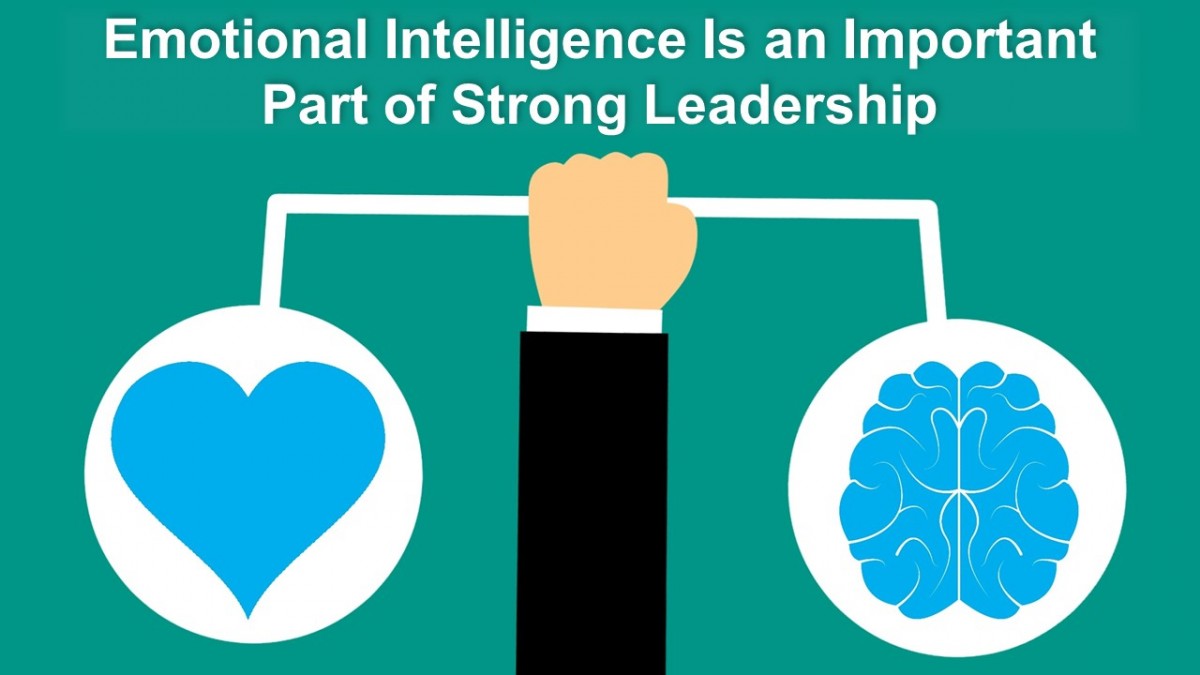
In today’s fast-paced and increasingly interconnected world, having a high IQ or exceptional technical skills often doesn’t guarantee success. Instead, Emotional Intelligence (EI) has emerged as the gold standard for personal and professional growth. If you’ve ever found yourself navigating the complexities of human interactions while traveling, whether in crowded airports or bustling markets, you’ll understand why honing this essential skill can significantly enhance your experiences. This article explores how Emotional Intelligence is the most valuable skill today, especially for those who seek to enrich their lives through travel.
What Is Emotional Intelligence?
Before diving deep into why Emotional Intelligence is invaluable, it’s essential to define what it actually is. EI, often abbreviated as EQ (Emotional Quotient), refers to the ability to understand, manage, and utilize your emotions and the emotions of others. It encompasses skills such as empathy, social awareness, self-regulation, and relationship management. While IQ measures cognitive intelligence, EQ focuses on emotional and social capabilities that are vital in various situations—particularly in travel.
The Power of Emotional Intelligence in Travel
Consider the last time you traveled. Remember the thrill of arriving in a new city, the potential for adventure tinged with anxiety, and the inevitability of unexpected challenges? In these moments, having Emotional Intelligence can make all the difference. Here’s how:
Traveling opens up a world of diverse cultures, traditions, and social norms. But with cultural diversity comes the potential for misunderstandings. For example, greeting customs vary globally; while some cultures favor a warm embrace, others may prefer a more reserved nod.
Emotional Intelligence equips travelers to recognize these differences and adjust their responses accordingly. An emotionally intelligent traveler can quickly gauge the atmosphere of a new place, understanding when to engage socially and when to give others space. This ability not only enhances personal interactions but also fosters a deeper respect for the local culture, making your travels more meaningful.
2. Building Connections with Locals
One of the greatest joys of travel is making connections with people from different backgrounds. Whether you are discussing travel tips with a local café owner or enjoying dinner at a communal table with fellow travelers, Emotional Intelligence plays a critical role.
By honing empathy and active listening skills, you’ll find it easier to relate to others—creating authentic connections that can lead to unforgettable experiences. These insights often bridge cultural gaps and build rapport, making it more likely to get local recommendations or discover hidden gems.
3. Managing Stress and Adapting to Change
Travel can be unpredictable. Flights get delayed, weather can take unexpected turns, and accommodation issues may arise. An emotionally intelligent individual perceives these scenarios with a positive mindset. They recognize their emotions, such as frustration or anxiety, and take proactive steps to manage them.
Being adaptable is a hallmark of high Emotional Intelligence. Instead of sulking over a delayed flight, a traveler with EI might strike up a conversation with a fellow passenger or dive into a good book, turning a potentially negative experience into an opportunity for personal growth or connection.
4. Enhancing Problem-Solving Skills
During travel, you often encounter unforeseen challenges. Perhaps you’ve missed a connecting flight or encountered language barriers while ordering food. Emotional Intelligence equips you with resilience, allowing you to approach problems with a level head.
Those with a high EQ can identify their emotions and the emotions of those around them, facilitating constructive communication and collaboration. Whether it’s negotiating with a local vendor or solving common travel mishaps, having Emotional Intelligence can help you refine your problem-solving skills—turning obstacles into opportunities.
5. Facilitating Personal Growth
Travel is not just about visiting new places; it’s often one of the most effective ways to learn about yourself. Getting out of your comfort zone can bring about intense emotional experiences, and having Emotional Intelligence helps you process these feelings.
As you reflect on your journey, EI allows you to learn from your interactions, adapt to new environments, and develop a stronger sense of self. Whether it’s conquering a fear of public speaking in a foreign language or confronting biases you didn’t realize you had, Emotional Intelligence enhances the transformative power of travel.

- Overcome negative thought patterns, reduce stress, and live a worry-free life
- Overthinking is the biggest cause of unhappiness
- Don't get stuck in a never-ending thought loop
- Stay present and keep your mind off things that don't matter, and never will
- Break free of your self-imposed mental prison
6. Fostering Resilience and Mindfulness
In our increasingly chaotic world, practicing resilience and mindfulness is more important than ever. Emotional Intelligence plays a critical role in developing these traits. Being aware of your emotional landscape helps you cultivate resilience, allowing you to bounce back from setbacks quicker.
When traveling, developing mindfulness can lead to richer experiences. Instead of being preoccupied with what’s next on your itinerary, a traveler with high Emotional Intelligence can remain present, savoring each moment—be it a breathtaking sunset or a simple chat with a street vendor. This focus not only enhances your travel experience but also leaves you feeling fulfilled and content.
How to Develop Emotional Intelligence for Travel
Boosting your Emotional Intelligence might seem daunting, but there are various practical steps you can take, especially as you prepare for your next trip. Here are some methods to enhance your EI:
1. Practice Self-Reflection
Take the time to analyze your emotional responses during your travels. When faced with discomfort or stress, question why you feel that way and how you can address it constructively. Journaling or speaking to a friend about your experiences can provide valuable insights.
2. Engage in Active Listening
When talking to new people, focus entirely on what they’re saying instead of thinking about your response. Engaging in active listening encourages deeper conversations, fosters empathy, and enhances your ability to connect with others.
3. Cultivate Empathy
Try to put yourself in the shoes of those you meet. Understanding different perspectives—especially when interacting with the locals—can help you appreciate cultural nuances and build stronger relationships.
4. Stay Mindful
Practice mindfulness by becoming aware of the present moment. This could involve meditating, focusing on your breathing, or simply taking notice of your surroundings. Mindfulness can enhance your emotional regulation and improve your travel experience.
5. Embrace Adaptability
Travel is about embracing change and unpredictability. Instead of resisting challenges, try to view them as opportunities for growth. Maintaining a flexible mindset will allow you to enjoy your journey, no matter what obstacles arise.
6. Seek Feedback
After your travels, ask for feedback from friends or fellow travelers about how you handled different situations. Constructive criticism can help you identify areas for improvement and refine your Emotional Intelligence over time.
7. Enroll in Workshops
Many organizations offer training programs focused on enhancing Emotional Intelligence. Consider enrolling in workshops or courses that provide techniques and strategies to develop this critical skill.
Conclusion
In a world where the emphasis on technical skills and cognitive intelligence continues to grow, Emotional Intelligence stands out as a critical asset for personal and professional success. For travelers, it opens the gateway to authentic connections, greater cultural understanding, and personal growth.
As you prepare for your next adventure, remember that honing your Emotional Intelligence will not only help you navigate the ups and downs of travel but also enrich your experience and the lives of those you encounter. By building your emotional skill set, you’re not just embarking on journeys across the globe, but you’re also embarking on a journey within yourself—transforming not just the way you travel, but the way you live.
So, the next time you’re on the road, think about your Emotional Intelligence. Cultivate it, and watch how it transforms your travels from ordinary to extraordinary. After all, travel is not just about seeing new places; it’s about connecting with people, understanding emotions, and embracing the journey in all its multifaceted glory. Happy travels!


