
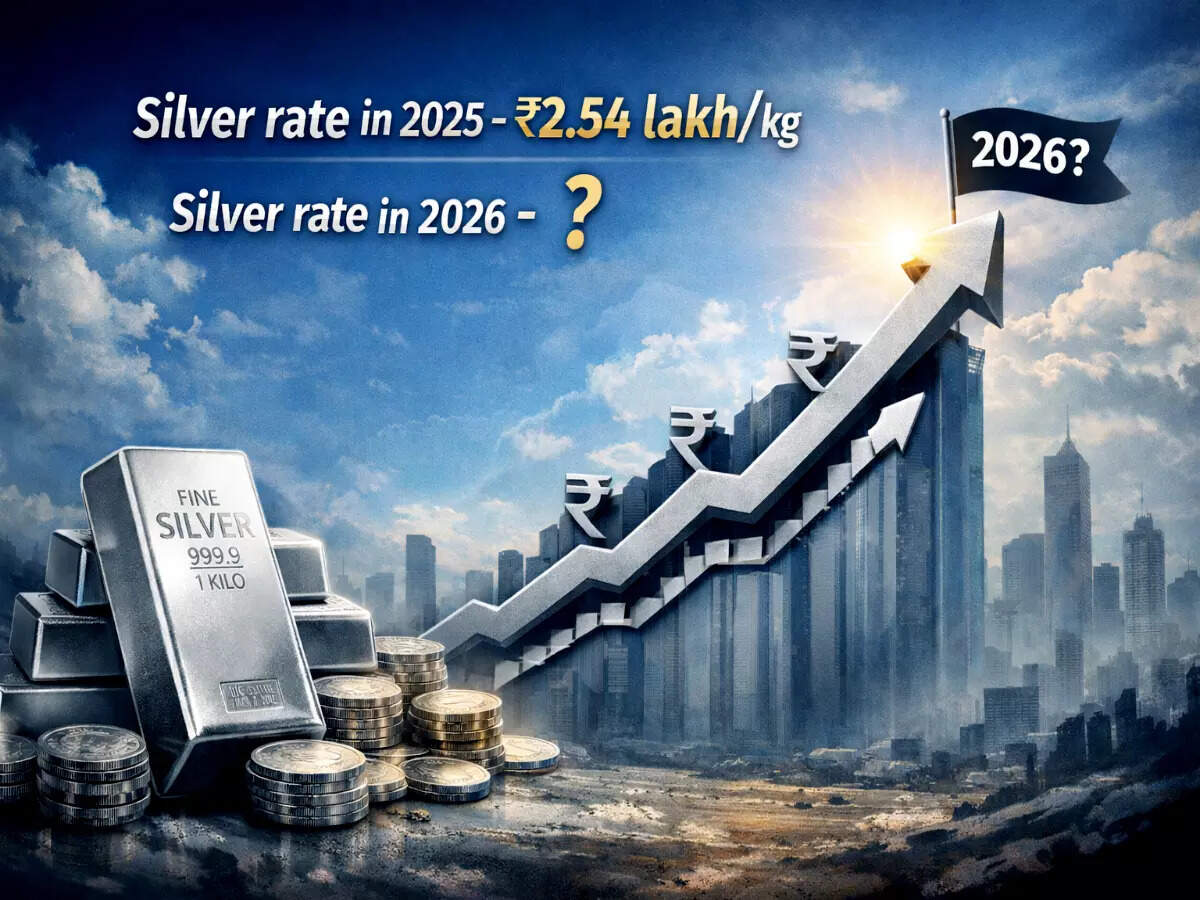
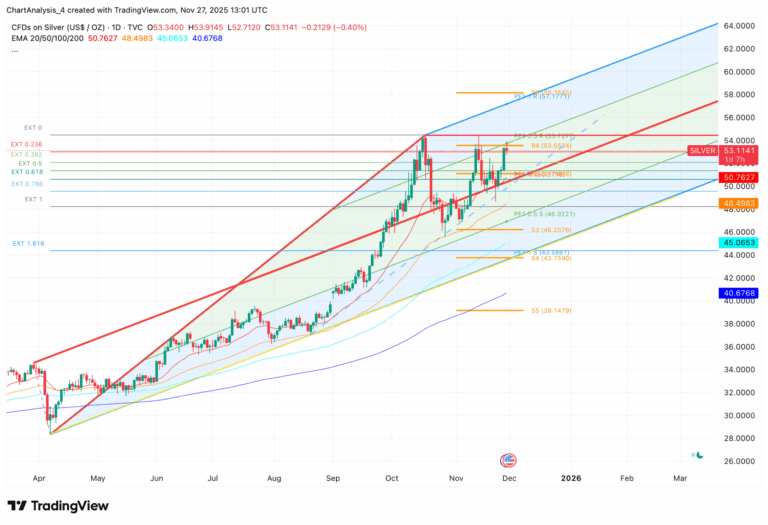
Silver has been one of the most surprising performers heading into 2026. After years of trading in the shadow of gold, prices have pushed higher through late 2025, supported by both structural demand and tightening supply conditions.
Unlike some short-lived commodity rallies driven by speculation, the current move has deeper foundations: expanding industrial demand (especially from solar and EVs), supply constraints from key producers, and a renewed interest in precious metals as investors hedge against inflation and geopolitical uncertainty.
If you invest in commodities, precious metals, or energy-transition sectors, understanding these drivers isn’t optional — it’s essential.
Key insights
- Industrial use, especially solar manufacturing and electronics, now accounts for more than half of global silver demand.
- Supply growth remains stagnant due to low investment in mining and declining ore grades.
- Silver benefits from both safe-haven demand and industrial expansion — a rare dual dynamic.
- The gold-silver ratio has narrowed from its 2023 extremes, signaling shifting investor appetite.
- U.S. investors can use silver for inflation hedging, portfolio diversification, or tactical exposure to the green-energy buildout.
1. Industrial demand is the core driver — and it’s accelerating
Silver is no longer just a monetary metal. Industrial demand represents over 50% of total usage, and the fastest-growing sector is the global energy transition.
Solar manufacturing
Photovoltaic (PV) production hit record levels in 2024 and continued rising into 2025 as utility-scale solar projects expanded across the U.S., Europe, and Asia. Silver paste remains critical in PV cells, and technological alternatives are years away from scaling.
With global solar installations set to grow further in 2026, this demand remains structurally bullish.
Electric vehicles and electronics
Silver is also used in:
- EV powertrains
- automotive electronics
- sensors
- high-efficiency semiconductors
- medical instruments
- telecommunications equipment
As U.S. EV adoption grows and global electronics consumption rebounds, these sectors add steady, non-speculative support to silver pricing.
2. Supply constraints are intensifying
While demand surges, supply is struggling to catch up.
Stagnant mine output
Global silver mine production has barely grown in recent years due to:
- underinvestment in exploration
- declining ore grades
- regulatory and environmental constraints
- political instability in key producing regions
Countries such as Mexico, Peru, and parts of Africa face logistical and permitting challenges that slow output expansion.
By-product dependency
Most silver is produced as a by-product of mining other metals like zinc, gold, and copper.
This means supply doesn’t easily increase even when prices rise — because mining companies adjust production based on the economics of the primary metal, not silver.
This structural limitation is one of the main reasons silver rallies tend to be sharp once demand rises.
3. Investor demand is returning as inflation stays above comfort levels
U.S. inflation cooled through 2024 but remained sticky throughout 2025, hovering just above 3% despite the Federal Reserve bringing rates down into the 3.75–4.00% range.
With real yields uncertain and geopolitical risks rising, investors have sought additional hedges:
- Silver benefits from the same safe-haven dynamics as gold.
- It remains cheaper on a per-ounce basis, making it attractive during periods of monetary uncertainty.
- The gold-silver ratio, which spiked above 85:1 in 2023, moved closer to more historical norms in late 2025 — an indication that silver demand is strengthening relative to gold.
For portfolios already heavy in equities or credit, silver acts as an effective diversifier.
4. The energy transition is reshaping silver’s long-term outlook
The world’s shift toward electrification, renewable energy, and digital infrastructure has turned silver into a strategic industrial material.
Key developments support this trend:
- U.S. grid modernization projects require silver-intensive components.
- Battery technologies use silver in specialized high-performance applications.
- Semiconductor manufacturing expansions increase long-term consumption.
- Large-scale solar deployments continue under federal and state-level incentives.
In other words, even if investor sentiment fluctuates, industrial demand alone creates a strong floor under prices heading into 2026.
5. Can silver keep rising in 2026?
A straight-line rally is unlikely — silver is historically more volatile than gold, and price spikes often trigger short-term profit-taking. But the medium-term outlook remains constructive.
Bullish factors
- Structural industrial demand growth
- Limited supply response
- Higher geopolitical uncertainty
- Gradual normalization of the gold-silver ratio
- Ongoing green-energy investments
Bearish or moderating factors
- A global recession could temporarily slow industrial demand
- A sharp drop in inflation expectations would weaken safe-haven flows
- Stronger U.S. dollar periods can pressure commodities broadly
Most scenarios point to continued strength, though not without volatility.
6. How U.S. investors can gain exposure to silver
Exposure can be taken through:
- physical silver or vaulted storage
- silver-focused ETFs
- miners with significant silver revenue
- diversified precious-metals funds
Given the volatility in mining stocks, many investors prefer blended exposure: physical/ETF for stability, miners for leveraged upside.
Investors should also consider correlations: silver behaves partly like a commodity, partly like a monetary metal, and partly like a growth-sensitive industrial input.
Conclusion
Silver’s rise into 2026 is not a speculative accident — it’s the result of a supply-constrained market meeting accelerating industrial demand and renewed interest from investors seeking protection from inflation and geopolitical risk.
As the energy transition expands and mine supply struggles to adjust, silver has moved from a niche precious metal to a strategic asset class.
For U.S. investors, it offers a rare combination: inflation hedge, industrial exposure, and diversification — all in one metal.
Still, the volatility is real. Silver can deliver outsized gains, but only for investors prepared to handle the inevitable drawdowns on the way up.
Disclaimer: The information in this article is for educational and informational purposes only and does not constitute financial advice. Always consult a qualified financial advisor before making investment decisions. Past performance is not indicative of future results, and all investments carry risk. TheMarketCapitalist.com assumes no responsibility for losses resulting from use of this information.


