
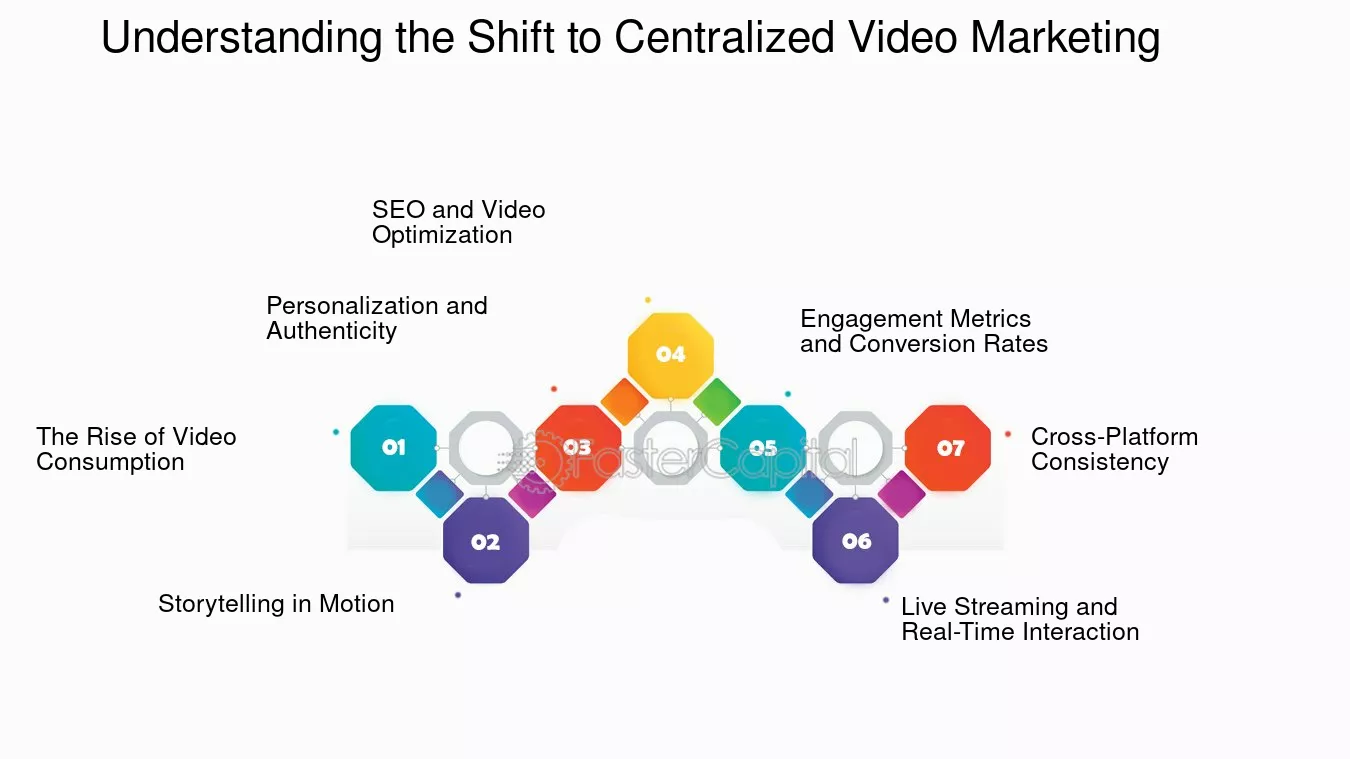
In the digital age of marketing, where attention spans are shorter than ever, businesses are constantly searching for innovative ways to engage their audiences. One method that stands out as a game-changer is video marketing. If you’re curious about why this visual medium is becoming the backbone of brand engagement, you’re in the right place. In this article, we’ll break down the different facets of video marketing, its rise in popularity, and how it is shaping the future of brand engagement.
The Rise of Video Consumption
The proliferation of high-speed internet and the advent of smartphones have dramatically changed how people consume content. According to a recent report, video content is expected to account for 82% of all online traffic by 2025. With platforms like YouTube, TikTok, and Instagram making it easier to access and share short and engaging videos, it’s no wonder that businesses are capitalizing on this trend.
This transformation in content consumption has also positioned video marketing as a vital tool for brands seeking to connect with their target audience. Engaging videos can effectively grab attention, increase retention rates, and ultimately encourage consumer action.
Why Video Marketing Works
1. Enhanced Engagement
One of the most striking features of video marketing is its ability to captivate audiences. A well-produced video is more likely to engage viewers than a static image or a block of text. The combination of visuals, sound, and storytelling creates a multi-sensory experience that resonates with viewers on a deeper level. According to studies, videos can generate up to 1,200% more shares on social media compared to text and images combined.
2. Emotional Connection
Video marketing goes beyond just delivering information; it has the power to evoke emotions and forge connections with viewers. Whether it’s a heartfelt story, an inspiring testimonial, or a humorous skit, videos can create a relatable narrative that speaks to the audience’s feelings, making them more likely to remember the brand and its message.
3. Increased Retention
Research shows that people remember 95% of a message when they watch it in a video, compared to just 10% when reading it in text. The visual and auditory elements of video help reinforce messaging and make it more memorable. This enhanced retention rate means that consumers are more likely to think of your brand when making a purchasing decision.
4. Improved SEO
Video content can significantly boost your website’s search engine optimization (SEO). Search engines like Google prioritize pages that feature multimedia elements, including videos. By embedding videos on your website and optimizing them with relevant keywords, video marketing can help enhance your brand’s visibility in search results.
5. Versatility Across Platforms
Video marketing is versatile across a variety of platforms, allowing brands to reach their audiences where they are most active. From YouTube to Instagram Stories, and even LinkedIn for B2B marketing, videos can be tailored to fit the style and preferences of different platforms. This versatility allows businesses to create targeted campaigns that reach the right audience effectively.
Types of Video Marketing
To capitalize on the benefits of video marketing, brands can explore various types of video content that cater to different goals and audiences:
1. Product Demos
Product demonstration videos are invaluable for showcasing features and benefits. These videos provide customers with a clear understanding of how a product works and how it can solve their problems. When consumers can see a product in action, they are more likely to feel confident in their purchasing decision.
2. Brand Storytelling
Storytelling is an emotional tool that helps brands connect with viewers on a personal level. Through brand storytelling videos, businesses can share their mission, values, and culture, allowing customers to form a deeper connection with the brand. This type of content fosters brand loyalty and encourages consumers to become advocates for the brand.
3. Customer Testimonials
Real-life experiences from satisfied customers serve as powerful endorsements. Customer testimonial videos offer social proof and showcase the positive impact of a product or service. Genuine feedback from happy clients can significantly persuade potential customers, ultimately driving sales.
4. Educational Content
Informational videos, tutorials, and webinars are excellent for educating customers about products, services, or industry trends. By providing valuable insights and knowledge, brands can position themselves as industry leaders and build trust with their audience.

- Overcome negative thought patterns, reduce stress, and live a worry-free life
- Overthinking is the biggest cause of unhappiness
- Don't get stuck in a never-ending thought loop
- Stay present and keep your mind off things that don't matter, and never will
- Break free of your self-imposed mental prison
5. Live Streaming
Live streaming allows brands to interact with their audience in real-time, creating a sense of urgency and excitement. Whether it’s a Q&A session, product launch, or behind-the-scenes content, live streaming can enhance engagement and create genuine connections with viewers.
Crafting Compelling Video Content
Creating effective video content involves more than just filming and editing. To capture your audience’s attention, consider the following tips:
1. Start with a Hook
The first few seconds of your video are crucial for grabbing attention. Start with a strong hook to entice viewers to keep watching. Whether it’s a shocking fact, a captivating question, or an engaging visual, make those initial moments count.
2. Know Your Audience
Understanding your target demographic is paramount. Tailor your video content to resonate with your audience’s interests, struggles, and preferences. Craft messages that align with their values to foster a stronger connection.
3. Keep it Concise
In an era of diminishing attention spans, brevity is key. Aim for videos that are short and to the point. While longer videos can work for in-depth topics, the majority of your videos should deliver your message succinctly.
4. Call to Action
Always include a clear call to action (CTA) at the end of your video. Whether it’s encouraging viewers to visit your website, subscribe for more content, or make a purchase, a strong CTA guides the next steps for your audience.
5. Optimize for All Devices
With mobile devices dominating the digital landscape, ensure that your videos are optimized for viewing on various screens. Use captions for sound-off environments, and consider vertical formats for mobile-first platforms.
The Future of Video Marketing
As technology continues to advance, so too does the landscape of video marketing. Here are some trends to keep an eye on that will shape the future of brand engagement:
1. 360-Degree Videos and Virtual Reality
360-degree videos and virtual reality experiences are on the rise, offering immersive storytelling opportunities. Brands can exploit these technologies to provide unique experiences that allow viewers to engage with products and services in innovative ways.
2. Augmented Reality
With augmented reality (AR) becoming more mainstream, brands can integrate this technology into their videos to enhance the consumer experience. For example, furniture retailers are allowing customers to visualize how pieces would look in their homes through AR video content, creating a more informed buying process.
3. AI-Powered Video Creation
Artificial intelligence is increasingly being used in video creation processes, making it easier for brands to produce high-quality content. AI can help streamline scriptwriting, editing, and personalized content recommendations, making video marketing more accessible to businesses of all sizes.
4. Personalized Video Content
Personalized videos based on user data are gaining traction. Brands that create customized video experiences can engage customers on a personal level, leading to higher conversion rates and customer satisfaction.
5. Short and Snackable Content
As our attention spans continue to shrink, short-form video content is likely to dominate. Platforms like TikTok and Instagram Reels have already set trends toward bite-sized videos that deliver quick, impactful messaging.
Conclusion
As we move forward in the digital marketing landscape, video marketing is set to play an integral role in brand engagement strategies. With its ability to enhance engagement, evoke emotional connections, improve retention rates, and contribute to SEO, businesses can no longer afford to ignore the power of video.
Investing in video marketing not only allows brands to tell their stories but also fosters genuine relationships with consumers. It’s time for businesses to harness the potential of this dynamic medium and stay ahead of the curve in a fast-evolving digital world. As the saying goes, a picture is worth a thousand words—imagine the impact of a video!
Whether you’re just starting your video marketing journey or looking to enhance your existing strategy, embrace this powerful tool to shape the future of your brand’s engagement strategy. Remember, the future is visual, and it’s time to start capturing the moment!


